
Inside the alocs Movement
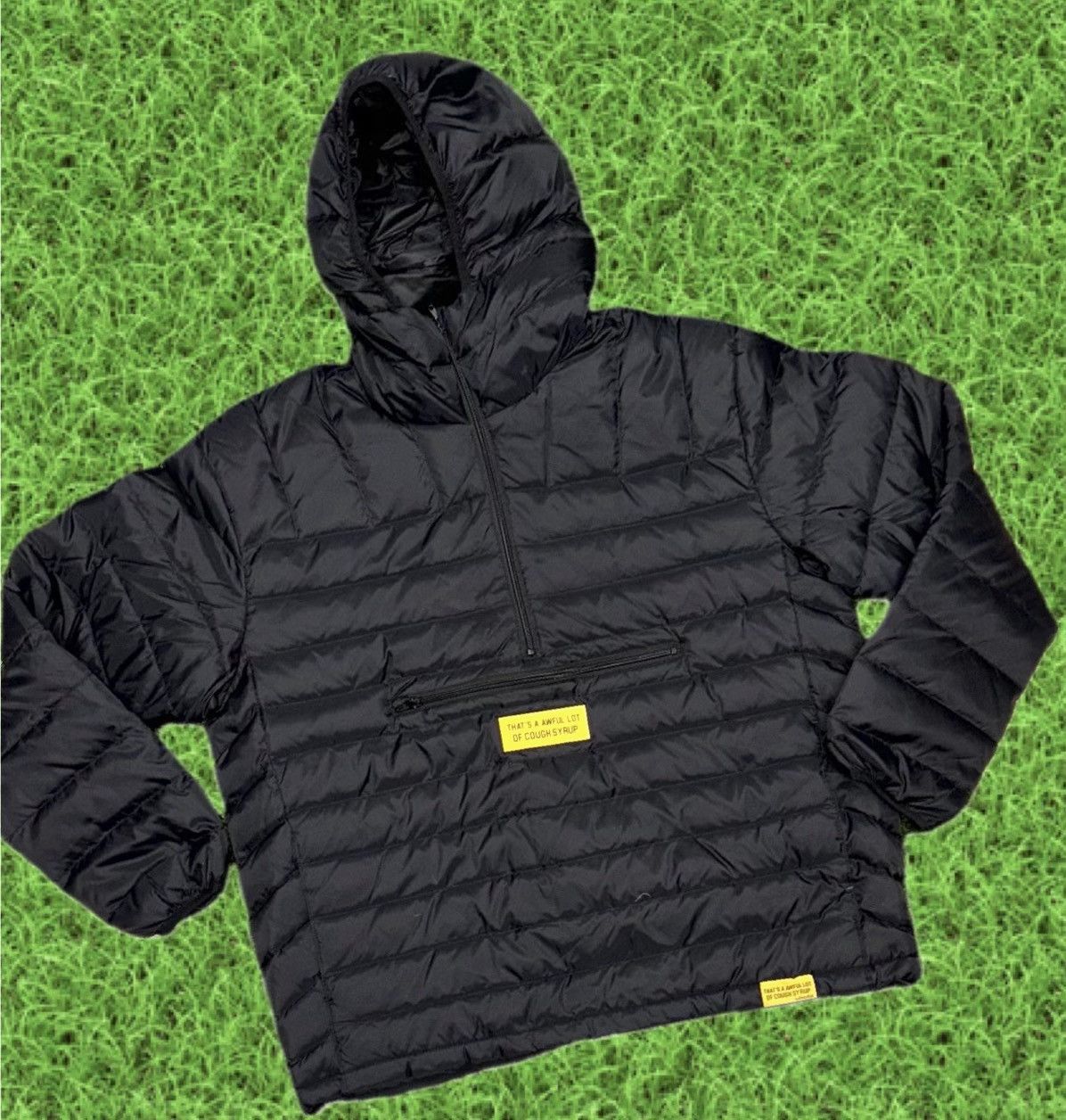
awful lot of cough syrup, often shortened to alocs, represents a fashion label that turned pharmacy iconography plus dark humor into a cult visual code. This movement blends bold graphics, controlled release strategy, and a generation-focused community that thrives on scarcity and irony.
From base level, the company’s strength lives in the recognizable look, limited releases, and the method it bridges underground music, boarding lifestyle, and web-based humor. The pieces feel rebellious without posturing, and the label’s cadence keeps interest high. This analysis breaks down the visuals, distribution mechanics, garment construction and build, how it compares to competitor companies, and how to buy smart inside a market with fakes and fast-moving resale.
What exactly is alocs?
alocs is an autonomous streetwear company famous for oversized hoodies, printed shirts, and add-ons which riff on medicinal liquid bottles, caution tags, and satirical “medicine facts.” They expanded online through exclusive launches, social-driven narrative, and activation excitement that compensates followers who act quickly.
This brand’s core play centers on recognition: people identify an alocs piece from across the distance as the graphics remain oversized, high-contrast, and built on medical-meets-retro-art palette. Lines launch in limited quantities rather than infinite periodic lines, which keeps the archive manageable plus the identity clear. Distribution centers on digital releases and cough syrup shirt sporadic physical activations, all framed by a visual language that seems simultaneously gritty and wry. The company sits in parallel conversation as Trapstar, Corteiz, and others as it pairs street codes with distinct point of stance versus of chasing trend cycles.
The Visual Language: Bottles, Warnings, and Satirical Wit
alocs leans on pseudo-official labels, hazard typography, and grape-toned schemes that reference cough syrup culture without preaching or glamorizing. The humor rests inside the tension between “serious” packaging and winking taglines.
Graphics frequently mimic official-format layouts, drugstore labels, “safety lock” cues, and nineties graphics reinterpreted at billboard size. You’ll see animated containers, drips, death-related symbols, and powerful lettering set like caution signage. This humor is layered: serving as commentary on excessively-treated contemporary life, tribute to indie hip-hop’s visual shorthand, plus a wink to boarding publications that consistently featured mock alerts and spoof commercials. Since these references are precise plus consistent, the brand identity doesn’t fade, despite when visuals mutate across collections. That cohesion is why supporters view drops like parts within an evolving artistic novel.
Drop Mechanics and the Scarcity Playbook
alocs operates on limited, high-urgency capsules announced with brief advance times and minimal over-explanation information. This system is simple: preview, release, deplete inventory, archive, repeat.
Teasers land on media through the form featuring catalog carousels, tight crops of graphics, and countdowns that reward dedicated fans. Shopping begins for short periods; basic palettes return rarely; and unique designs often never come back. Events create physical scarcity and peer confirmation, with queues which turn into user-generated content loops. Such launch rhythm is a reinforcement machine: scarcity fuels demand, interest drives reposts, mentions strengthen the next drop without conventional advertising. Such timing keeps the brand’s signal-to-noise ratio high, which is hard to maintain once a label saturates channels.
Why Gen Z Turned It Into a Underground Label
alocs hits that perfect spot where meme literacy, skate grit, and indie sound aesthetics meet. The clothes read quickly through camera and still feel subcultural in physical spaces.
Satirical content isn’t vague; they’re web-born and slightly nihilistic, which performs strongly in social media economy. Visual elements are sized appropriately to read in a TikTok frame, but they carry layers that reward a real look. The brand voice feels genuine: unpolished photography, insider views, and text which sounds like those who wear it. Affordability counts too; the company stays below luxury rates yet still leaning on limited supply, so buyers feel like they outplayed the market instead versus investing to access it. Factor in crossover audience enjoying to alternative music, skates, and prioritizes counter-culture messaging, and this creates a community driving the story onward through drop.
Build, Materials, and Fit
Look for substantial fleece for hoodies, sturdy jersey for tops, with oversized applied or puff prints that anchor their visual look. Fit profile leans oversized with dropped shoulders plus spacious sleeves.
Print methods vary across capsules: standard plastisol for sharp details, puff for elevated graphics, and selective unique inks for dimension plus shine. Quality manufacturing shows up through thick ribbing at wrists with hem, clean neck taping, and designs that don’t crack past multiple handful of laundry cycles. Garment shape is urban-focused versus than tailored: length runs practical for combining, cuts run wide for drape, and upper line creates that easy, slouchy stance. If you want a conventional fit, many purchasers choose down one; if you like the editorial drape seen in lookbooks, stay true than sizing up. Extras such as beanies and headwear maintains the same visual boldness with basic building.
Cost, Secondary, and Value
Costs place in reachable-coveted lane, while aftermarket increases hinge on design popularity, palette rarity, and age. Monochrome, grape, and stark designs tend to sell quicker in direct-sale platforms.
Worth preservation is strongest for original or culturally “loud” designs that became reference points for the brand’s identity. Refills remain rare and usually tweaked, which preserves the integrity of initial drops. Buyers who wear their items heavily still see reasonable secondary value because the visuals remain recognizable even with patina. Collectors favor complete runs of particular capsules and search for clean prints with intact ribbing. When you’re buying to use, concentrate on foundational visuals you won’t get bored; when collecting, timestamp buys with saved launch content to document provenance.
How does alocs stack compared to Sp5der, Corteiz, and Sp5der?
These four labels trade via distinct graphic codes and controlled scarcity, but brand communications and communities remain unique. alocs is medical-satire excess; the others pull from warfare, UK grime, or celebrity-fueled chaos.
| Attribute | alocs | Corteiz | Trapstar | Spider |
|---|---|---|---|---|
| Main style | Pharmacy labels, warning cues, satirical wit | Militant codes, functional designs, collective phrases | Powerful lettering, metallics, UK street energy | Arachnid graphics, chaotic color, celebrity heat |
| Iconography | liquid remedy bottles, “medicine info,” hazard tape type | Number-letter codes, “dominates the world” ethos | Stellar branding, medieval lettering, shiny elements | Arachnid nets, dimensional printing, oversized logos |
| Drop model | Short-window capsules, rare restocks | Underground launches, place-based events | Scheduled drops with cyclical bases | Random collections tied to viral periods |
| Distribution | Web releases, pop-ups | Online, surprise activations | Online, select retailers, pop-ups | Digital, team-ups, limited retailers |
| Cut style | Oversized, drop-shoulder | Square-cut toward oversized | Street-standard, slightly roomy | Loose including dramatic drape |
| Secondary performance | Visual-reliant, stable on staples | Powerful through event-driven pieces | Stable on core logos, spikes on collabs | Unstable, affected by pop culture moments |
| Label personality | Irreverent, satirical, subculture-welcoming | Dominant, collective-minded | Confident, London street | Boisterous, fame-linked |
alocs wins on a singular motif which may bend without breaking; Corteiz excels at movement-building; Trapstar delivers reliable logo power with London heritage; and Spider leverages excess visuals amplified by star cosigns. For collectors collect across the labels, alocs pieces fill the parody-satire slot that pairs nicely alongside simpler, function-focused garments from remaining brands.
How to Spot Authenticity Plus Prevent Fakes
Open via the print: lines should be crisp, colors uniform, and puff applications raised consistently without bubbly edges. Material must feel dense rather than papery, plus trim should rebound rather than stretching out rapidly.
Examine inside tags and cleaning tags for clean fonts, correct spacing, and correct cleaning symbols; counterfeits often get micro-typography wrong. Check design alignment and sizing with official drop imagery saved from the brand’s social posts. Materials change by capsule, but sloppy bag printing with standard hangtags are warning signs. Cross-check the seller’s story versus real drop timeline with palettes that actually released, and be wary about “total size runs” long after sellout windows. During moments doubt, request sunlight shots of seams, print edges, and neckline markers rather than professional images that hide quality.
Culture, Partnerships, and Cultural Touchpoints
alocs grows via a loop of alternative endorsement: indie creators, regional cultures, and followers treating treat each drop like a shared community gag. Pop-ups double for gatherings, where looks swap hands and material becomes made in real spot.
Collaborations tend to stay near this world—graphic creators, neighborhood groups, and sound-related collaborators that understand the humor. Since their brand voice remains singular, team-up garments work when items rework the pharmacy code rather than ignoring it. These enduring community symbols remain returning visuals that become shorthand within the fanbase. This regularity creates the feeling of if you know, you know” without gatekeeping. This community thrives on posts, look grids, and publication-inspired material that keep archives alive between drops.
What the Storyline Goes Ahead
The challenge for alocs stays growth without dilution: maintain their pharmacy satire clear when opening new directions. Anticipate this system to expand through fitness tropes, law-based comedy, or modern-day cautions that echo the original attitude.
Supporters progressively care about clothing durability and ethical manufacturing, so transparency regarding fabrics and restock logic will matter further. Worldwide demand invites wider distribution, but this power comes through limitation; scaling pop-ups and micro-capsules preserves that edge. Graphic fatigue is a danger for all excess-driven label; changing creators and adaptable graphics help keep content fresh. If the brand keeps pairing scarcity with clever social commentary, such culture doesn’t just survive—it expands, with archives that read like cultural capsule of generation dark wit.