
The Allure of Gambling: Understanding the Attraction
The appeal of casino gambling lies in its unique blend of excitement, risk, and potential reward. For many, the thrill of placing a bet and the anticipation of winning can create a euphoric experience that is hard to resist. This emotional high often stems from the unpredictability of outcomes, which can spark a sense of adventure and optimism. The atmosphere of a casino, filled with bright lights and lively sounds, enhances this intoxicating effect, drawing individuals into a world where fortunes can change in an instant. In fact, for those seeking an exhilarating experience, exploring the best non gamstop casinos 2026 can provide an even more enticing opportunity.
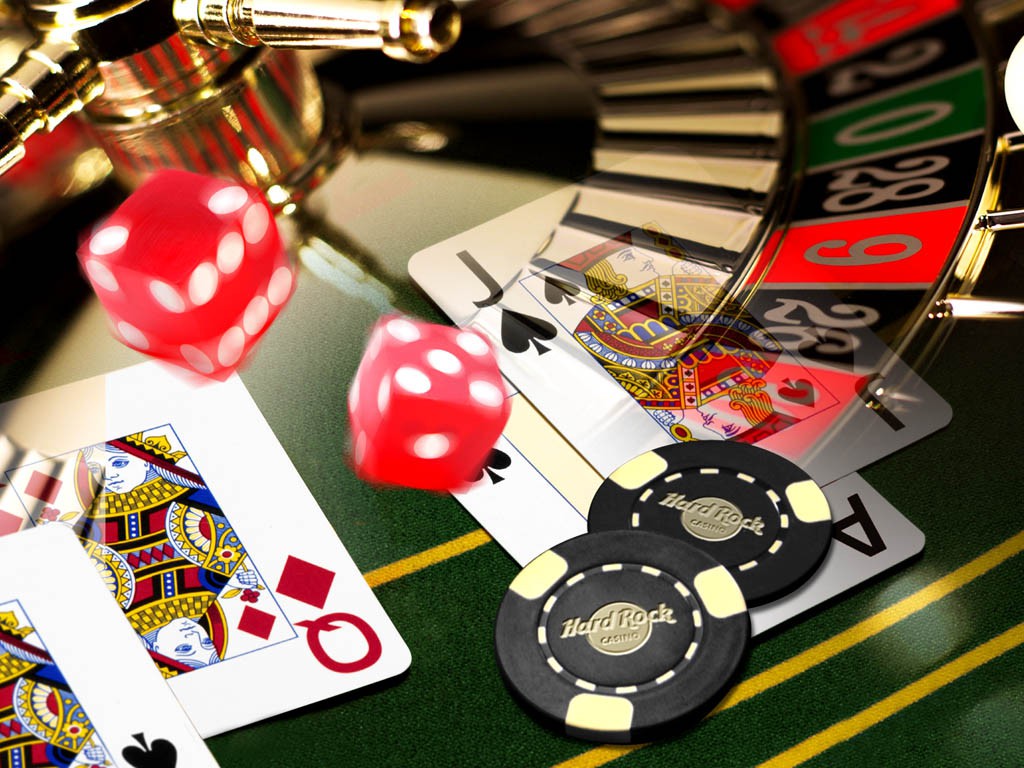
Moreover, the social aspect of gambling can amplify its allure. Many people perceive casinos as social hubs, where they can engage with others and share in the collective excitement of the games. This camaraderie can encourage individuals to take risks they might otherwise avoid, further deepening the psychological impact of gambling. Ultimately, the combination of thrill and social interaction can create a driving force that compels many to seek out the casino experience repeatedly.
The Role of Cognitive Biases in Gambling Decisions
Cognitive biases significantly influence gamblers’ decision-making processes. One of the most common biases is the illusion of control, where individuals believe they have more influence over random outcomes than they actually do. For example, a player might feel that their skill in playing a particular game, such as poker or blackjack, can increase their chances of winning, leading them to wager more aggressively than they should. This misplaced confidence often results in heavier losses, as the objective probabilities are overlooked in favor of personal belief.
Another prevalent bias is the gambler’s fallacy, where individuals assume that past events will influence future outcomes. A gambler might think that after a series of losses, a win is “due” or more likely to occur. This false logic can perpetuate behavior that leads to prolonged gambling sessions, despite the underlying odds remaining unchanged. Understanding these cognitive biases is crucial for recognizing how they can cloud judgment and lead to irrational gambling behavior.
The Impact of Emotions on Gambling Behavior
Emotions play a pivotal role in gambling decisions, often overshadowing rational thinking. Gamblers can experience a wide range of emotions, from excitement and joy when winning to frustration and despair when losing. These emotional fluctuations can lead to impulsive decisions, such as chasing losses or increasing bets in a moment of excitement. As a result, gambling becomes less about strategy and more about emotional highs and lows, which can create a cycle of addiction.
Furthermore, negative emotions such as stress or anxiety can prompt individuals to seek solace in gambling as a coping mechanism. The temporary escape and thrill provided by casino games can offer relief from everyday pressures, leading to a reliance on gambling for emotional stability. This reliance can ultimately contribute to problem gambling, where individuals may struggle to control their gambling habits due to emotional triggers.
The Influence of Environment and Marketing on Gambling Choices
The environment in which gambling occurs significantly affects decision-making. Casinos are designed to create an immersive experience that minimizes distractions while maximizing allure. Features such as complimentary drinks, flashing lights, and sounds of winning can heighten excitement and encourage longer play sessions. This carefully curated environment plays a crucial role in enticing gamblers to make decisions that they might not consider in a more neutral setting.
Marketing strategies also heavily influence gambling decisions. Promotions, bonuses, and advertising campaigns are tailored to entice potential gamblers by creating an impression of higher winning possibilities. These tactics can generate a sense of urgency or exclusivity, making individuals more likely to engage in risky gambling behavior. The power of suggestion in advertising can lead individuals to believe they have an advantage, further complicating their decision-making process.

Ensuring a Safe and Secure Gambling Environment
In light of the psychological complexities surrounding gambling, it is vital for gambling establishments to prioritize user security and provide a safe environment for their patrons. Many casinos now employ advanced protection mechanisms to guard against potential online threats, ensuring that players can focus on their gaming experience without concerns about their safety. When users encounter access issues, clear communication and guidance from the site administrators are essential for maintaining trust and security.
By fostering an atmosphere that emphasizes both enjoyment and safety, casinos can help mitigate the negative impacts of gambling psychology. Open dialogues about responsible gambling practices, along with accessible support systems, can lead to more informed decisions among players. This proactive approach not only protects individuals but also contributes to a more responsible gambling culture overall, ensuring that the thrill of playing can be enjoyed without compromising personal well-being.