
Understanding the psychological tricks that keep players coming back to casinos
The Allure of Winning
One of the primary reasons players are drawn to casinos is the thrill of winning. The potential for a big payout creates a rush that many find hard to resist. This rush is often heightened by the sound of coins clinking or the flashing lights of the slot machines, which serve to reinforce the idea that winning is just around the corner. This sensory stimulation creates a dopamine response, making players feel good and encouraging them to keep playing. For those interested in gaming options, australia’s best online pokies can offer exciting alternatives that tap into this thrill.
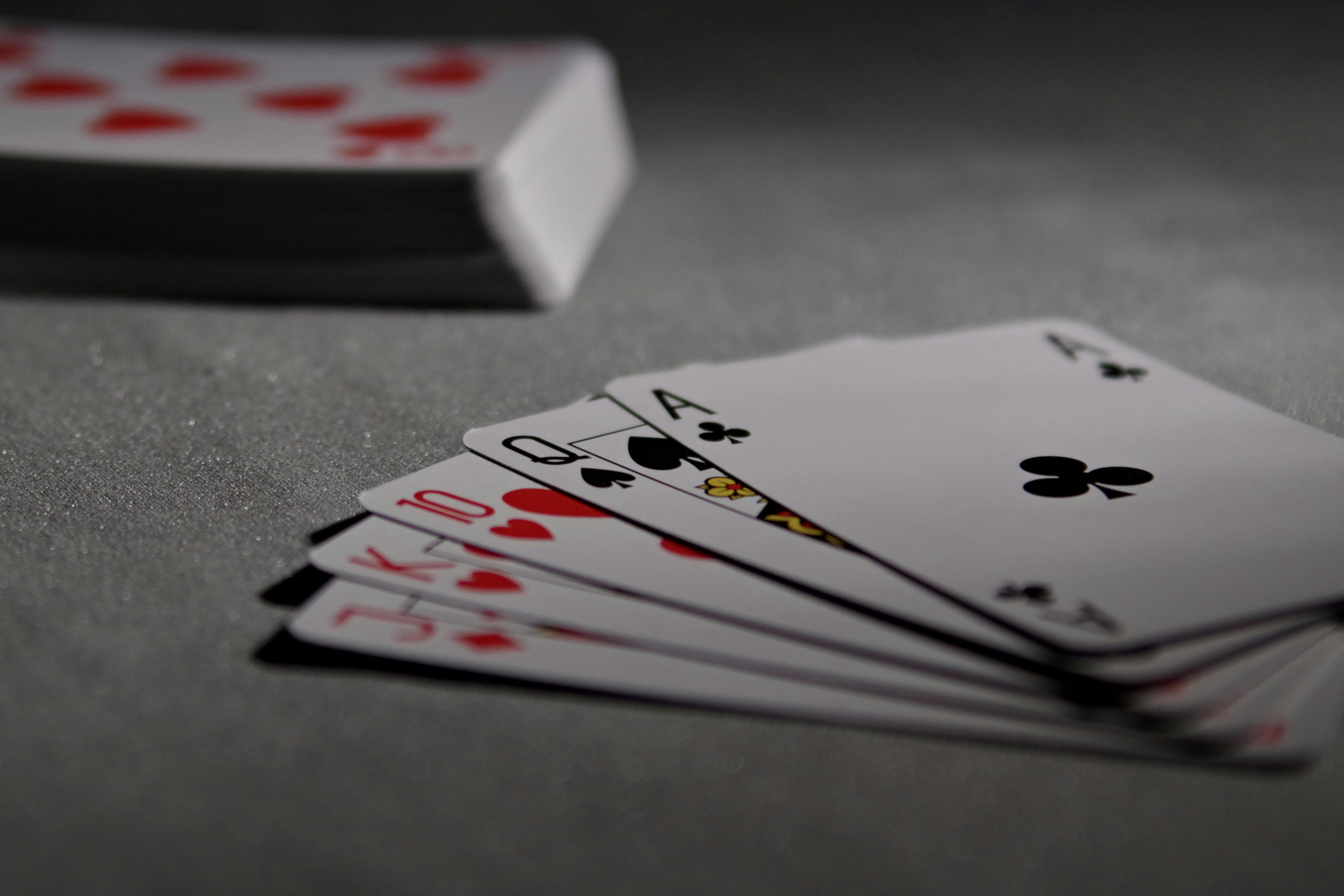
The psychology of “near misses” also plays a crucial role. When players almost win, their brains interpret this as a form of success, which keeps them engaged. Casinos are designed to create these near misses frequently, leading players to believe that they are on the verge of winning big. This reinforces their desire to continue playing, even when their losses accumulate.
The Environment and Atmosphere
The physical environment of a casino is meticulously designed to keep players inside and engaged. From the layout of the gaming floor to the absence of clocks and windows, everything is structured to create a sense of timelessness. This environment allows players to lose track of time and continue playing longer than they might have intended.
Moreover, the ambiance is enhanced by carefully selected music and lighting. Studies show that upbeat music can increase betting amounts, while dim lighting creates a cozy, intimate feel that encourages prolonged play. Together, these elements create a space where players feel comfortable and are more likely to return for future visits.
The Role of Rewards and Loyalty Programs
Casinos implement a variety of rewards programs designed to keep players engaged. These programs often offer points for every dollar spent, which can be redeemed for various perks, from free meals to luxury hotel stays. This gamification of spending encourages players to return, as they are motivated by the tangible benefits of loyalty.
Furthermore, the thrill of accumulating points creates a sense of achievement. Players may feel a sense of ownership over their rewards, which reinforces their connection to the casino. As they progress through loyalty tiers, they often receive increasingly enticing benefits, further entrenching them in the casino’s ecosystem.
The Psychological Impact of Social Interaction
Social interaction is another critical factor in the casino experience. Whether it’s chatting with a dealer, celebrating a win with fellow players, or simply enjoying the lively atmosphere, social connections enhance the overall enjoyment of gambling. This social aspect can be particularly appealing in both offline and online settings, where players can engage with others through live chats or virtual tables.
The community feeling created in casinos can foster a sense of belonging, making players more likely to return. People are inherently social creatures, and the shared experience of gambling can enhance feelings of excitement and camaraderie, further solidifying their loyalty to the casino.

Explore Your Gaming Options
If you’re looking to understand how these psychological tricks play out in your gaming experience, consider exploring various online and offline casinos. Each platform offers unique features and environments that can either enhance or hinder your enjoyment. Whether you prefer the sensory overload of a physical casino or the comfort of online gaming, there are options tailored for every type of player.
By educating yourself about these psychological factors and how they influence your gambling behavior, you can make informed choices that enhance your gaming experience. Remember to always play responsibly and enjoy the thrill of the game while being aware of its psychological intricacies.